Granny Flat Agreement Australia: What to Discuss First

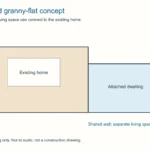
A granny flat agreement records an arrangement for accommodation, often involving a contribution in exchange for a right to live at a property for life. The legal, Centrelink and tax treatment depends on the actual terms. It does not have to involve a separate building in the backyard.
By The Granny Flat Guide Team. Updated 2 October 2026. About our research.
Describe the arrangement before choosing a template
Start by writing down who owns the property, who will live there, what each person will contribute and how long the accommodation is intended to last. Distinguish a payment for lifetime accommodation from a loan, gift, ownership share or ordinary rent. Those descriptions are not interchangeable.
Services Australia describes a granny flat interest as an accommodation-for-life arrangement that can affect payment eligibility, rates and the assets test. A family should not assume that calling a transfer a “granny flat contribution” settles its treatment.
Bring the proposed arrangement and relevant financial details to separate legal advisers for the resident and property owner. Each person needs a chance to understand the proposal and raise concerns before money or assets change hands. This article is a discussion checklist, not a document to sign.
Set out contributions and daily responsibilities
List the amount, asset or work being contributed and explain what the resident receives in return. If money will fund construction, address who enters the building contract, who owns the improvements and what happens if approval is refused or the project costs more than expected.
| Topic | Question for the agreement |
|---|---|
| Accommodation | Which rooms and shared areas can the resident use? |
| Contribution | What is paid or transferred, when, and on what conditions? |
| Ongoing expenses | Who pays utilities, maintenance, insurance and other outgoings? |
| Care | Is any care promised, by whom, and what happens if needs change? |
| Privacy and access | How will visitors, gardens, parking and entry work? |
Be specific about services rather than relying on “we’ll look after each other”. A family member may be able to help with shopping but not provide ongoing personal care. Record those boundaries and how additional support would be arranged and paid for.
Plan for changes in health, ownership and relationships
Ask the solicitors to work through a sale, mortgage enforcement, separation, death, dispute or move into aged care. The agreement should explain what happens to the accommodation right and whether any repayment or alternative accommodation is required. Don’t assume a private document automatically binds a future buyer or lender.
Discuss how any repayment would be calculated and funded. A promise to return money may be difficult to fulfil if it has all been spent on construction. Have each adviser explain the available protections and their limits, including how the arrangement interacts with the title, mortgage and estate documents.
For the building budget itself, use our cost checklist. Keep construction decisions and the resident’s accommodation rights clear even where the same contribution funds both.
Get Centrelink and tax questions answered separately
Ask Services Australia how the proposed transfer and accommodation right affect the particular person’s payments. Supply accurate amounts and terms, including any retained assets or ongoing payments. The outcome can depend on details that a generic template cannot determine.
Tax treatment is another question. The ATO’s granny flat CGT guidance describes conditions for eligible arrangements. Relief for creating, varying or ending a qualifying arrangement is not a blanket exemption for every later property sale or rental use.
Our ATO agreement explainer separates those issues. Obtain advice on the actual proposal before treating a contribution as tax-free or assuming pension payments will remain unchanged.
Keep the final documents and review triggers
Once advisers have settled the terms, keep signed copies, contribution records and the relevant correspondence. Make sure the people involved know whom to contact if circumstances change. An agreement that nobody can find is difficult to use during a stressful move or family dispute.
Consider a review when care needs, finances, property ownership or household arrangements change. Don’t amend the document informally without understanding the legal and financial effects. The rental-law guide addresses a different situation: letting accommodation under a tenancy arrangement.
Frequently Asked Questions
Does a granny flat agreement guarantee pension eligibility?
No. Services Australia assesses the arrangement and the person’s circumstances under the applicable rules.
Does it prevent the owner selling the property?
That depends on the legal rights created and other interests in the property. Ask an independent solicitor how the resident is protected on sale.
Is an ordinary rental agreement the same thing?
No. Describe the intended accommodation right, payments and duration to the adviser rather than assuming one form suits both arrangements.
Primary sources
These cards are an editorial summary of official pages. The Granny Flat Guide is not a certifier, council or licensed builder. Check the live official URL before you lodge or sign.
- Your Home (Australian Government)Your Home: Australia's guide to environmentally sustainable homes
- Australian Building Codes BoardNational Construction Code
- NSW Planning PortalState Environmental Planning Policy (Housing) 2021
- Victorian Building AuthorityBuilding Act 1993 / small second dwelling settings
- Queensland PlanningPlanning Act 2016
- WA Planning (DPLH)Planning and Development Act 2005
- PlanSA (South Australia)Planning, Development and Infrastructure Act 2016
- QBCC (Queensland)Queensland Building and Construction Commission licensing
See our editorial standards for how we research and update guides.