HIA Welcomes Tasmania’s 90sqm Granny Flat Proposal
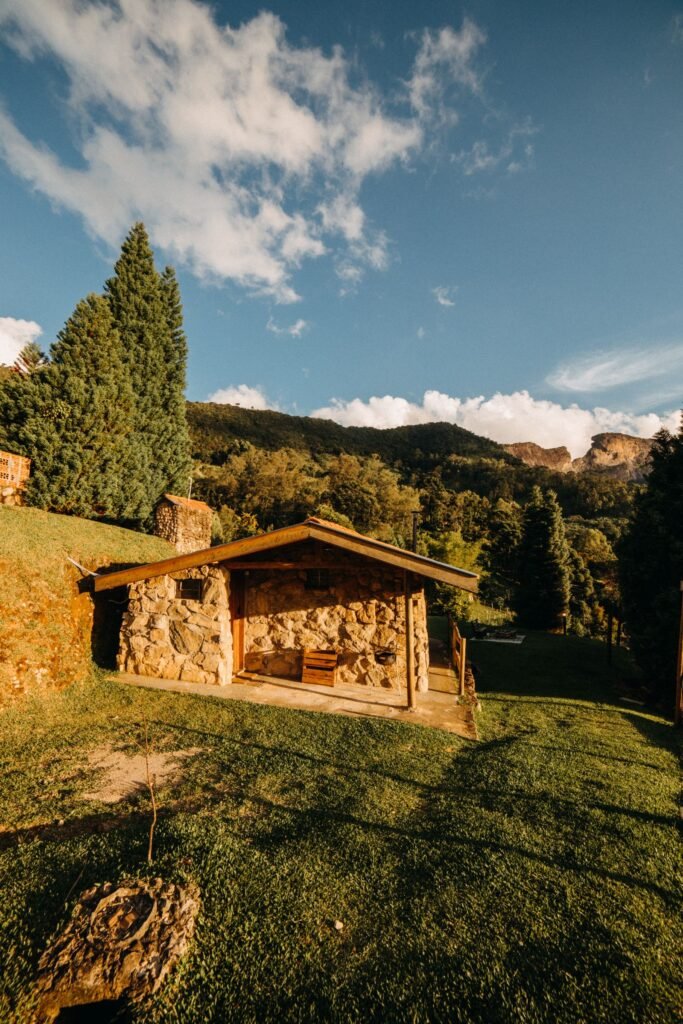
Tasmania 90sqm granny flat. The Housing Industry Association (HIA) has lodged a submission supporting Tasmania’s Draft Planning Scheme Amendment 01-2026, which proposes lifting the maximum floor area for secondary residences from 60sqm to 90sqm. The submission was filed on 22 July 2026.
What the Draft Amendment Proposes
Tasmania’s planning scheme currently caps secondary residences (the formal term for granny flats) at 60 square metres. The draft amendment would raise that limit to 90 square metres, bringing the state closer to New South Wales and Victorian frameworks.
The HIA welcomed the increase but noted the proposal doesn’t go far enough. In the submission, the association called for additional amendments to site coverage rules to unlock the full benefit of the larger floor area allowance.
Site Coverage Concerns
HIA’s submission highlighted that Tasmania’s current site coverage limits could still restrict 90sqm builds on smaller blocks. The association wants relaxed coverage rules to ensure the new floor area cap is practical for typical suburban lots.
- Lot size matters: A 90sqm granny flat may exceed coverage limits on many residential blocks without further amendment.
- Block-by-block variation: Site coverage rules differ by zone and council, making it hard to apply a uniform standard.
- State alignment: HIA argued Tasmania should harmonise with NSW and Victorian models, which allow more generous coverage ratios for secondary dwellings.
Important Reminder: Not Yet Law
The draft amendment is not approved. The current legal maximum remains 60 square metres until the planning scheme is formally amended and gazetted.
Property owners and builders should not start 90sqm projects until the updated rules take effect. Check with your council before lodging any development application.
Parking Clarification Also Proposed
A draft amendment also clarifies that no additional car parking space is required for secondary residences. This brings Tasmania in line with other states where granny flats are typically exempted from parking mandates on the same lot.
HIA supported this clarification, noting it removes a common barrier for families building secondary residences on standard suburban blocks.
What Happens Next
A draft amendment is open for public consultation. Once submissions close, the Tasmanian Planning Commission will review feedback and make a recommendation to the Minister for Planning.
If approved, the changes will be gazetted and become binding. The timeline for final approval has not been announced.
Context: Tasmania’s Secondary Residence Framework
Tasmania uses the term “secondary residence” for what other states call granny flats or secondary dwellings. The planning scheme allows them as-of-right in most residential zones, subject to design standards and council approval.
The 60sqm cap has been criticised as too restrictive for multi-generational living or ageing-in-place arrangements, particularly when compared to NSW (60sqm base, up to 120sqm with DA consent) and Victoria (60sqm secondary dwellings on most residential lots).
Frequently Asked Questions
When does the 90sqm limit become law in Tasmania?
A draft amendment is not yet approved. The current limit remains 60sqm until the planning scheme is updated and gazetted following consultation and ministerial approval.
Do I need extra parking for a granny flat in Tasmania?
Under the proposed amendment, no additional parking space is required. This clarification aligns Tasmania with NSW and Victorian standards.
Can I start building a 90sqm granny flat now?
No. Wait until the draft amendment is approved and gazetted. Submitting plans before the rules change could result in refusal or require resubmission under the old 60sqm limit.
Primary sources
These cards are an editorial summary of official pages. The Granny Flat Guide is not a certifier, council or licensed builder. Check the live official URL before you lodge or sign.
- Your Home (Australian Government)Your Home: Australia's guide to environmentally sustainable homes
- Australian Building Codes BoardNational Construction Code
- Victorian Building AuthorityBuilding Act 1993 / small second dwelling settings
- QBCC (Queensland)Queensland Building and Construction Commission licensing