Skip to content

Granny Flat vs Tiny House Which Australian Option is Right for You in 2026

heritage granny flat design 2

Granny Flat vs Tiny House: Which Australian Option is Right for You in 2026?

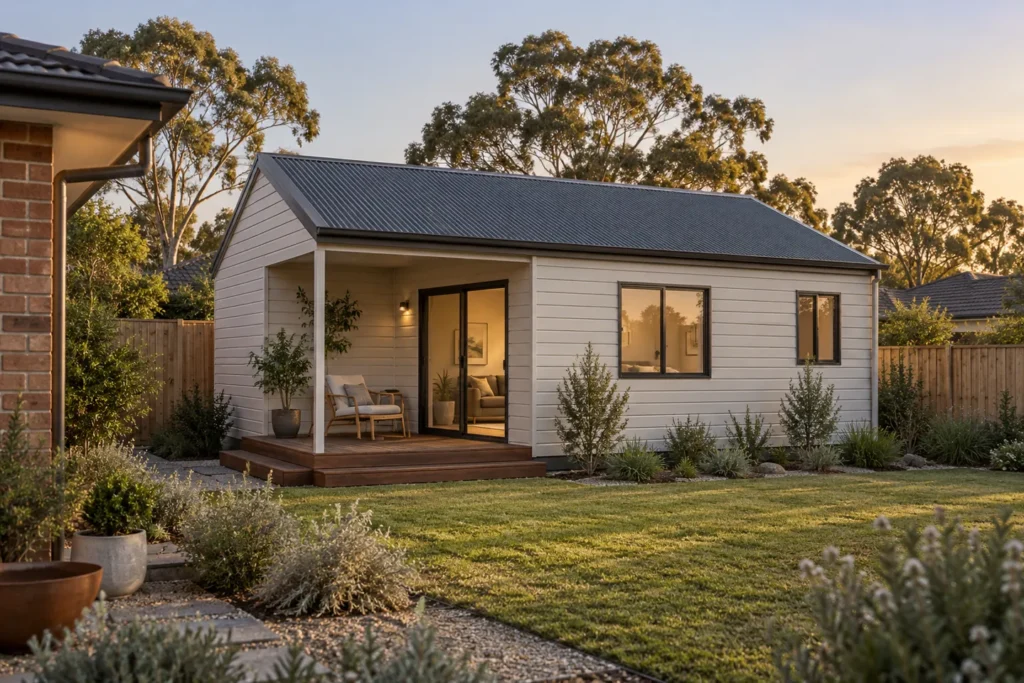
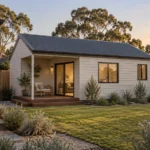
Permanent granny flat secondary dwelling on a residential block in Australia
Tiny house on wheels as an alternative to a fixed granny flat

Granny flat vs tiny house in Australia: which wins? A fixed granny flat is usually easier to finance, insure and rent because it is a permanent secondary dwelling on your land. A tiny house on wheels suits mobility and lower upfront cost but faces stricter council and insurance limits in many states.

Australia’s housing market is constantly evolving, with more homeowners seeking flexible and affordable living solutions. Two popular options frequently compared are the granny flat and the tiny house. While both offer compact living spaces, their fundamental differences in regulation, cost, and purpose can significantly impact which is the right choice for your property and lifestyle.

If you’re looking to generate rental income, accommodate a growing family, or simply embrace a more minimalist lifestyle, understanding the nuances between these two housing types in the Australian context is crucial. New regulations and changing market dynamics in 2026 further shape their appeal.

This guide will break down the key distinctions between a granny flat vs tiny house, covering their regulations, costs, benefits, and ideal use cases, to help you make an informed decision.

The Core Distinction: Granny flats are permanent, council-approved secondary dwellings on a property, while tiny houses (especially on wheels) commonly occupy a more flexible, and sometimes less regulated, grey area.


What is a Granny Flat?

A granny flat is a self-contained, permanent secondary dwelling built on the same property as an existing primary home. commonly up to 60–70m² (depending on the state), it includes all essential facilities for independent living (kitchen, bathroom, living, sleeping areas).

Key Characteristics:

  • Permanent Structure: Built on a fixed foundation, increasing property value.
  • Council Approved: Requires formal planning and building approval, adhering to strict NCC and local council regulations.
  • Location: Always on the same title as the main house, cannot be sold separately.
  • Size: usually limited to 60–70m² internal area (varies by state).
  • Purpose: commonly used for family accommodation, rental income, or home offices.

What is a Tiny House?

A tiny house is a small dwelling, commonly under 37m², designed for minimalist living. Their definition and regulation are more varied in Australia, largely depending on whether they are on wheels or on a fixed foundation.

Key Characteristics:

  • Size: commonly under 37m², commonly much smaller.
  • Mobility: Can be built on a trailer chassis (tiny house on wheels) or on a permanent foundation.
  • Regulatory Ambiguity: Regulations are less consistent; tiny houses on wheels are commonly classified as caravans.
  • Purpose: Embraced for affordable homeownership, nomadic lifestyles, or temporary accommodation.

Granny Flat vs Tiny House: A Side-by-Side Comparison (2026)

FeatureGranny FlatTiny House (on wheels)
PermanencePermanent structure on a fixed foundation.commonly mobile (on wheels), classified as a caravan.
ApprovalRequires council/certifier approval (CDC/DA) as a dwelling.Varies. can be treated as caravan, requiring less approval but subject to occupancy limits. Fixed tiny houses need full approval.
Size (typical)60–70m² internal living space.Under 37m², commonly much smaller.
Property Value ImpactSignificantly increases property value (up to 30%).Less direct impact on property value; can add appeal as an asset.
Rental PotentialCan be legally rented as a permanent dwelling in most states.Occupancy commonly restricted (e.g., 60 days/year); varies by council.
Cost (turn-key)$140,000 – $280,000+$100,000 – $180,000+
SubdivisionCannot be subdivided from the main dwelling.Can be moved; some councils allow temporary placement.

For a deeper dive into granny flat specific costs, see our guide to granny flat costs.


regulatory rules in 2026: Key Differences

The biggest divergence between granny flats and tiny houses lies in how they are regulated. This is crucial for legal occupancy and future-proofing your investment.

Granny Flat Regulations: Established and Streamlined

Granny flats fall under established planning and building codes. In 2026, many states continue to streamline their approval processes:

  • NSW: Fast-tracked Complying Development Certificates (CDC) are common for compliant granny flats up to 60m² on lots over 450m².
  • Victoria: New rules allow small secondary homes under 60m² without a planning permit in many cases, and rental to non-family members.
  • WA: As of April 2024, granny flats up to 70m² commonly don’t require planning approval and minimum lot sizes have been removed.
  • Queensland: Occupancy restrictions removed in late 2022, allowing rentals to anyone, with size limits up to 80m² (Brisbane) or 60m² (Sunshine Coast urban).

A granny flat is unequivocally a legal dwelling, built to the same standards as a conventional home. For state-specific details, refer to our granny flat approval guide.

Tiny House Regulations: Evolving and Varied

Tiny houses, especially those on wheels, commonly exist in a regulatory grey area:

  • Caravan Classification: Many councils classify tiny houses on wheels as caravans, which limits their permanent occupancy on private land (e.g., commonly 60 days per year, or 2 consecutive days).
  • Evolving Local Policies: Some progressive councils are developing specific tiny house policies or pilot programs, but this is not uniform across Australia. For example, some Victorian shires or WA (from Sep 2024) have specific rules for temporary or longer-term occupation.
  • Fixed Tiny Houses: If built on a permanent foundation, a tiny house is usually subject to the same planning and building approvals as a granny flat or conventional home.

It’s crucial to check with your local council directly about their stance on tiny houses on wheels for long-term living, as rules can be ambiguous and subject to change.


Cost Comparison: Granny Flat vs Tiny House (2026)

usually, tiny houses tend to have a lower upfront cost than granny flats, making them an attractive entry point into homeownership or alternative living.

Granny Flat Costs:

  • Build Cost: $140,000 – $280,000+ (turn-key).
  • Approvals & Site Works: Additional $10,000 – $30,000+.
  • Value Add: Significantly increases property value.

Tiny House Costs:

  • Build Cost: $100,000 – $180,000+ (turn-key from a builder).
  • DIY Option: Can be as low as $25,000 (materials only) for self-builders.
  • Site Costs: Significantly lower, primarily for connections if permanent, or just a level pad if on wheels.
  • Off-Grid Systems: Solar, water collection ($25,000+) can add to costs but reduce ongoing bills.

Benefits Comparison: What Each Offers

Benefits of a Granny Flat:

  • Increased Property Value: A proven way to boost your property’s capital value.
  • Reliable Rental Income: Legally rentable in most states, providing a consistent income stream.
  • Permanent Solution: Offers secure, long-term accommodation for family or tenants.
  • Established Regulations: Clear guidelines for construction and approval.
  • Larger Living Space: commonly offers more internal space for comfort.

Benefits of a Tiny House:

  • Affordability: Lower entry cost, commonly reducing financial burden.
  • Mobility (on wheels): Ability to relocate, offering lifestyle flexibility.
  • Reduced Environmental Footprint: Smaller space, commonly designed with sustainability in mind.
  • Lower Living Costs: Cheaper to heat, cool, and maintain.
  • Minimalist Lifestyle: Encourages decluttering and simpler living.

Which Option is Right for You?

Your choice depends on your primary goals:

Choose a Granny Flat if:

  • You want to permanently increase your property’s value.
  • Your primary goal is to generate stable, long-term rental income.
  • You need a legal, fully compliant secondary dwelling for family or tenants.
  • You have a suitable backyard size and want a more spacious secondary living area.

Choose a Tiny House if:

  • Affordability and a lower upfront cost are your top priorities.
  • You desire a minimalist, eco-friendly, or sometimes mobile lifestyle.
  • You are looking for temporary accommodation or a unique personal space.
  • You are willing to navigate sometimes ambiguous regulations regarding long-term placement (if on wheels).

Always consider your local council’s specific regulations, as they are the ultimate authority on what is permissible on your property. For a deeper understanding of granny flat options, compare kit homes vs modular homes.


Frequently Asked Questions (FAQ)

Can I live in a tiny house permanently on my backyard in Australia?

It depends on your local council. While some councils are becoming more flexible, many still classify tiny houses on wheels as caravans, which have restrictions on permanent occupancy. Fixed tiny houses require full building approval. Always check with your local council.

Do tiny houses add value to my property like a granny flat?

Onepermanently built tiny house (on a foundation with full approvals) can add value similar to a small granny flat. A tiny house on wheels usually does not add significant capital value to the land itself, as it’s considered a chattel, not a permanent structure.

Which is more sustainable, a granny flat or a tiny house?

Both can be sustainable. Tiny houses commonly integrate off-grid solutions and smaller footprints, inherently making them more sustainable. Well-designed granny flats, built to modern energy efficiency standards, can also be very sustainable, especially with solar installations.


Conclusion: Tailor Your Choice to Your Needs

The decision between a granny flat vs tiny house in Australia for 2026 comes down to your priorities. If you’re seeking a permanent, value-adding investment with clear regulatory pathways and reliable rental income, a granny flat is likely your best bet.

If affordability, mobility, and a minimalist lifestyle are paramount, a tiny house can be an exciting option, provided you understand and comply with the varied local regulations regarding its placement and occupancy.

Ultimately, both represent innovative solutions to modern housing needs. Research your local council’s specific rules, define your goals clearly, and choose the option that best empowers your property and lifestyle.

Sources: See also www.abcb.gov.au for baseline Australian guidance.

How much does council approval add to your granny flat budget?

Council and certifier fees sit outside the builder quote. In NSW, a CDC pathway through a private certifier often lands between roughly $3,000 and $8,000 once survey, BASIX and Sydney Water checks are included, while a full DA can cost more because of longer consultant time and holding costs. Victoria and Queensland use different fee schedules, so treat any single number as a starting point. Model your own project in our granny flat cost calculator, then compare supplier quotes through get a quote when your footprint is settled.

What design choices affect approval speed?

Setbacks, height, floor area and tree protection overlays decide whether you stay on a fast CDC track or drop to a slower DA. Staying under common 60 sqm internal caps, keeping adequate side and rear setbacks and connecting services without major easement conflicts usually keeps the pathway simpler. If your block is sloped, flood-affected or heritage-listed, expect extra reports before council or your certifier can sign off. Use the setback checker and approval wizard against your address before you pay for custom drawings.

Which floor plan size suits a one-bedroom granny flat?

One-bedroom layouts commonly land between 45 sqm and 60 sqm internal depending on whether you include a separate laundry, study nook or larger bathroom. Smaller footprints reduce slab and roofing cost but can feel tight if you plan to rent long term. Compare real project numbers in our Australia-wide cost guide and browse design ideas before you lock a supplier package.

Cross-check numbers, compatibility and local rules with official sources before you commit. Fee schedules, firmware requirements and council overlays change by state and postcode, so treat any single figure as a starting point. Use our tools and directories to compare options, then confirm with a licensed tradesperson, certifier or supplier before you sign.

Primary sources

The Granny Flat Guide cross-checks regulation and cost summaries against official Australian references. Verify current rules with these sources before you lodge an application or sign a contract.

See our editorial standards for how we research and update guides.
About The Granny Flat Guide

Independent Australian research on granny flats and secondary dwellings. We publish cost guides, council rules and supplier reviews. We are not a builder. See our editorial standards.


Work Out Your Real Budget

Use our free on-page cost calculator to estimate preliminaries, site costs, the build and finishes. Results update instantly in your browser.

Open the Cost Calculator

Planning tools

Approval wizard, setback checker and build-type comparator in one place.

Open planning tools

Compare supplier quotes

Get matched with up to three vetted builders or kit suppliers for your site and budget.

Get a quote