CDC versus DA comparison is the NSW pathway owner. This page covers lodgement steps. Open the canonical page.
Granny Flat Approval NSW Your Fast-Tracked 2026 Guide
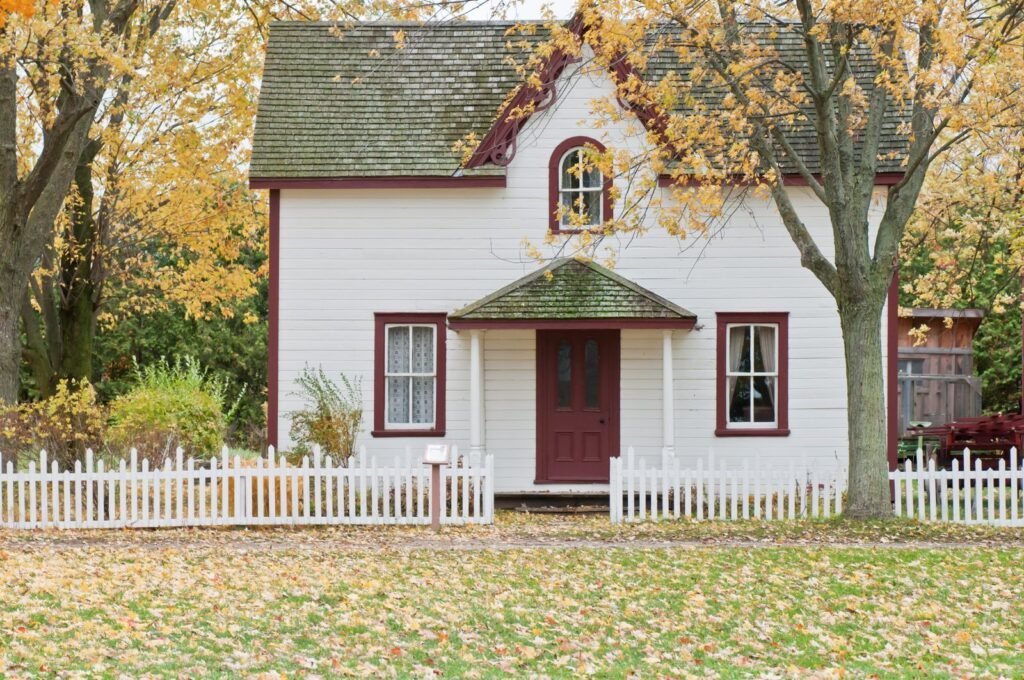
Granny flat approval NSW in 2026 still means CDC when the Housing SEPP fits, or a DA when overlays, height or size force a merit assessment.
Last updated September 2026. This page is the NSW process and fees guide: lodgement steps, typical approval cost buckets and inspections. For Housing SEPP numbers, setbacks and the CDC vs DA comparison table, use granny flat rules NSW (CDC vs DA). National fork logic: approval process Australia.
NSW still has one of the more usable fast-track paths via the Housing SEPP. Guessing CDC to save time usually costs time. If flood or heritage mapping applies, start with a constraints report. You can’t lodge both CDC and DA and “see which wins”. That’s wasted fees.
Timing note: Many complete CDC packs turn around in about 10–20 days through a private certifier when every SEPP number is met. DA timelines commonly run months.
CDC vs DA in NSW (short version)
Full numeric standards and the side-by-side table live on the NSW rules page. In one paragraph:
- CDC: Combined planning and construction approval when the design meets every Housing SEPP standard. Private certifier or council CDC team. Fastest when the pack is complete.
- DA: Merit assessment by council when size, setbacks, overlays or design miss CDC. Separate Construction Certificate after consent. Longer and usually more expensive.
If one SEPP rule fails, the whole project drops to DA. Feasibility checks happen before you pay for custom drawings.
Costs associated with granny flat approval NSW (2026)
Typical approval and certification ($3,000 – $10,000+)
- Certifier fees: CDC plans assessment and inspections.
- Council fees: DA application charges when you leave CDC.
- BASIX certificate: Mandatory for new residential dwellings in NSW (energy and water).
- Sydney Water sewer approval: Where the connection triggers it.
- Long Service Levy: Applies above the relevant construction-cost threshold.
- Section 7.11 / 7.12 contributions: Can apply depending on your council’s contributions plan.
Additional reports (if required)
- Survey plan: Boundaries and contours.
- Geotechnical report: Challenging soils.
- Arboricultural assessment: Trees near the build envelope.
- Bushfire Attack Level (BAL) certificate: Mapped bushfire land.
Step-by-step: getting your granny flat approved in NSW
1. Initial research and feasibility
Check zoning, lot size and overlays on the NSW Planning Portal. Confirm the SEPP numbers on our rules page before you brief a designer.
2. Engage a designer
Commission plans that match either CDC or DA from day one. Redesigning a “CDC hope” into a DA after lodgement wastes fees.
3. Obtain necessary reports
Survey, BASIX, stormwater and any overlay reports your certifier or council will refuse to proceed without.
4. Submit for approval (CDC or DA)
- CDC: Certifier lodges a complete pack.
- DA: Designer or planner lodges with council; public exhibition can apply.
5. Construction Certificate (DA only)
When you pursue a DA, Development Consent comes first. You then need a separate Construction Certificate before building. A CDC combines both.
6. Construction and inspections
7. Occupation Certificate
Frequently Asked Questions
How long does granny flat approval take in NSW?
A complete CDC can issue in about 10–20 days. A DA through council can take several months depending on complexity and workload.
Can I build a granny flat on a battle-axe block in NSW?
Usually yes if lot size, setbacks (including the access handle) and other CDC or DA requirements are met.
Do I need separate services for a granny flat in NSW?
Expect separate water, sewer, electricity and stormwater connections. A separate electricity meter is strongly recommended if you plan to rent.
Can I rent out my granny flat in NSW?
Yes, subject to short-stay rules in some LGAs and any estate covenants on title. Planning approval is not a tenancy free pass.
Next step: confirm SEPP fit, then lodge once
Read the NSW CDC vs DA rules for the numbers. Use this page for fees and the lodgement sequence. Then run the approval wizard and setback checker before you pay for a full drawing set.
How much does council approval add to your build budget?
Council and certifier fees sit outside the builder quote. In NSW, a CDC pathway through a private certifier often lands between roughly $3,000 and $8,000 once survey, BASIX and Sydney Water checks are included, while a full DA can cost more because of longer consultant time and holding costs. Victoria and Queensland use different fee schedules, so treat any single number as a starting point. Model your own project in our cost calculator, then compare supplier quotes through get a quote when your footprint is settled.
What design choices affect approval speed?
Setbacks, height, floor area and tree protection overlays decide whether you stay on a fast CDC track or drop to a slower DA. Staying under common 60 sqm internal caps, keeping adequate side and rear setbacks and connecting services without major easement conflicts usually keeps the pathway simpler. If your block is sloped, flood-affected or heritage-listed, expect extra reports before council or your certifier can sign off. Use the setback checker and approval wizard against your address before you pay for custom drawings.
Primary sources
These cards are an editorial summary of official pages. The Granny Flat Guide is not a certifier, council or licensed builder. Check the live official URL before you lodge or sign.
- Your Home (Australian Government)Your Home: Australia's guide to environmentally sustainable homes
- Australian Building Codes BoardNational Construction Code
- NSW Planning PortalState Environmental Planning Policy (Housing) 2021
Related guides