Granny Flats South Australia Rules Costs and Approvals 2026
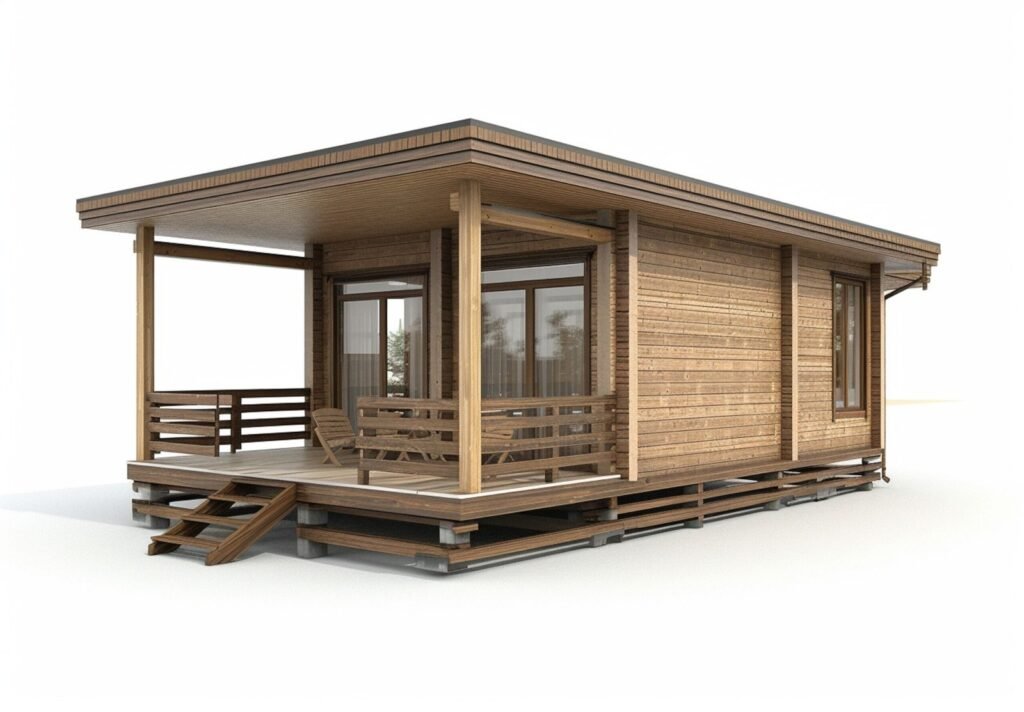
Granny flats SA are allowed on many residential lots in 2026 when the Planning and Design Code is met. Typical internal caps sit around 60 m² in metro Adelaide, with larger allowances on some rural lots. You’ll still need building approval through a private certifier.
Last updated June 2026. SA planning law changes. Confirm your zone, overlays and design with your council or a planning consultant before you lodge. Primary reference: Plan SA and the Planning and Design Code. Use our approval pathway wizard for a first-pass check.
SA granny flat rules at a glance
South Australia uses the Planning and Design Code statewide instead of dozens of local planning schemes. Secondary dwellings are supported in many residential zones when they are subordinate to the main house on the same lot.
| Rule area | Typical metro standard |
|---|---|
| Maximum floor area | commonly about 60 m² internal (check zone provisions) |
| Relationship to main house | Must remain on the same title; not a separate subdivision |
| Rental use | usually permitted when the dwelling is compliant |
| Building approval | Mandatory via registered building surveyor / certifier |
Approval pathway: exempt, accepted development or planning consent
Not every SA granny flat needs a full planning application. Many compliant designs fall under accepted development or exempt development categories in the Code, which shortens the front end of the project. But you’ll still need:
- A building rules consent (building permit) from a private certifier
- Compliant engineering for slab, frame and services
- Utility connections sized for the extra dwelling (water, sewer, power)
If your lot has heritage, bushfire, flood or character overlays, expect extra reports even when the base zone allows a secondary dwelling. So run our setback and size checker with your proposed floor area before you pay for drawings.
Typical granny flat costs in Adelaide and regional SA (2026)
Adelaide sits below Sydney and Melbourne on labour rates but above some regional centres. For a turnkey 50–60 m² secondary dwelling, budget roughly:
| Build path | Indicative 2026 range (AUD) |
|---|---|
| Prefab / modular turnkey | About $130,000–$200,000 |
| Custom local builder | About $160,000–$250,000+ |
| Owner-builder kit | About $90,000–$160,000 all-in |
Indicative only. Sloping blocks, clay soils and long service runs add cost. Use the granny flat cost calculator for a phased budget. Don’t treat a kit shell as turnkey. Adelaide clay and retaining can wipe the “cheap kit” gap overnight.
Setbacks, height and site coverage
SA setback rules depend on zone and whether the granny flat is detached or attached. Rear and side setbacks commonly start around 1–3 m for single-storey structures, but corner lots and small blocks trigger different tables in the Code.
Height is usually capped near single-storey residential limits (commonly about 9 m depending on zone). Site coverage and private open space must still be met for both dwellings combined: and that’s where corner lots often get caught out.
Electrical connection and metering
Many SA granny flats run as a sub-board off the main switchboard with a separate metre enclosure, or as a fully separate metre where the retailer agrees. Trenching across a driveway, upgrading an old switchboard and level-2 ASP work on the service mains commonly add $2,500–$8,000+ to the electrical line item. See our separate metering cost guide and metering estimator.
If you’re planning to rent, a separate NMI is cleaner than arguing about percentages. Don’t wait until the pavers are down to call the ASP.
State rules hub: compare SA with other states
SA’s Code is statewide, which is simpler than NSW’s mix of Housing SEPP and LEPs. But overlays still bite. If you’re comparing an Adelaide block with a Penrith or Melbourne title, read the dedicated guide rather than this snapshot.
- NSW: CDC vs DA pathway
- Victoria: small second dwelling rules
- Queensland / Brisbane rules
- Western Australia rules
- Tasmania 90 sq m reforms
Frequently Asked Questions
Do I need council planning approval for a granny flat in SA?
Many compliant secondary dwellings are accepted or exempt development under the Planning and Design Code. Overlays, non-compliant size or unusual lots can still need planning consent. Check with Plan SA and your council.
Can I rent out a granny flat in South Australia?
Yes, when the dwelling is lawfully built and meets smoke alarm, egress and tenancy rules. Short-stay platforms can have extra council registration requirements in some areas.
What is the maximum size for a granny flat in Adelaide?
About 60 m² internal living area is a common reference point in metro residential zones. Rural zones sometimes allow more. Verify against your zone’s Performance Outcomes.
How long does building approval take in SA?
Private certifiers commonly turn around compliant documentation in two to six weeks once drawings and engineering are complete. Planning consent, if required, adds time.
General information only, not legal or building advice. Cross-check with Plan SA and a licensed certifier before you commit.
How much does council approval add to your build budget?
Council and certifier fees sit outside the builder quote. In NSW, a CDC pathway through a private certifier often lands between roughly $3,000 and $8,000 once survey, BASIX and Sydney Water checks are included, while a full DA can cost more because of longer consultant time and holding costs. Victoria and Queensland use different fee schedules, so treat any single number as a starting point. Model your own project in our cost calculator, then compare supplier quotes through get a quote when your footprint is settled.
What design choices affect approval speed?
Setbacks, height, floor area and tree protection overlays decide whether you stay on a fast CDC track or drop to a slower DA. Staying under common 60 sqm internal caps, keeping adequate side and rear setbacks and connecting services without major easement conflicts usually keeps the pathway simpler. If your block is sloped, flood-affected or heritage-listed, expect extra reports before council or your certifier can sign off. Use the setback checker and approval wizard against your address before you pay for custom drawings.
Primary sources
These cards are an editorial summary of official pages. The Granny Flat Guide is not a certifier, council or licensed builder. Check the live official URL before you lodge or sign.
- Your Home (Australian Government)Your Home: Australia's guide to environmentally sustainable homes
- Australian Building Codes BoardNational Construction Code
- NSW Planning PortalState Environmental Planning Policy (Housing) 2021
- Victorian Building AuthorityBuilding Act 1993 / small second dwelling settings
- Queensland PlanningPlanning Act 2016
- WA Planning (DPLH)Planning and Development Act 2005
- PlanSA (South Australia)Planning, Development and Infrastructure Act 2016
- QBCC (Queensland)Queensland Building and Construction Commission licensing
Related guides