Granny Flat ACT Rules 2026 Canberra Secondary Residence Guide
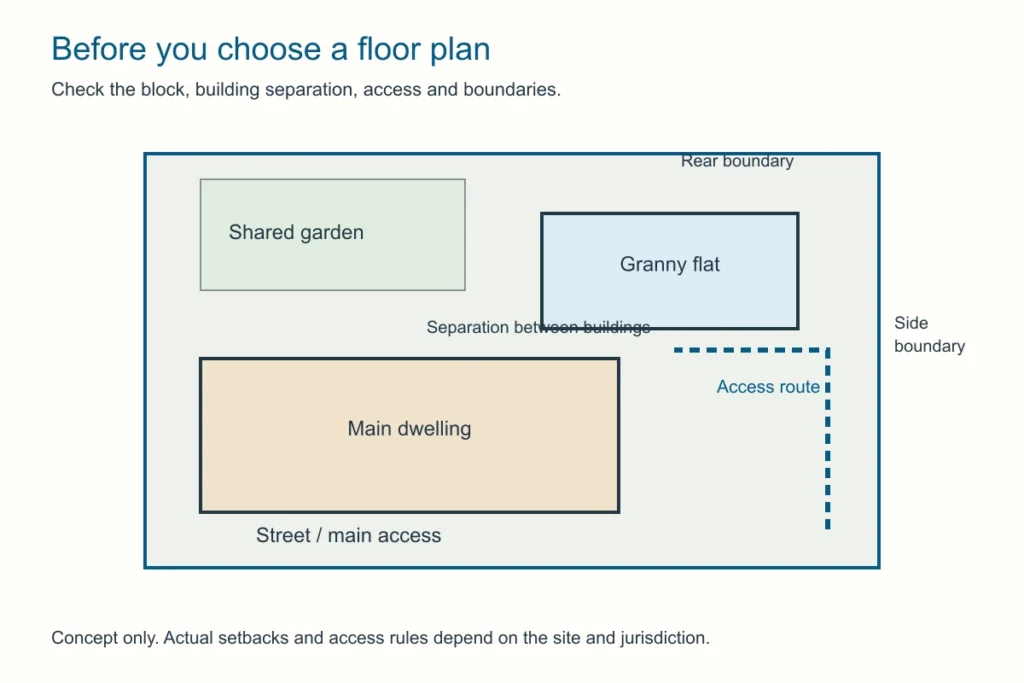
Granny flat ACT rules need to be checked against the current Territory Plan, your Crown lease and the proposed dwelling type. Canberra’s Missing Middle reforms commenced on 1 July 2026. An old checklist based only on a 500m² block and a 90m² building is not enough to establish what you can build now.
The ACT Government’s reform overview explains the expanded housing options in RZ1 and RZ2. That change does not make every backyard proposal exempt from assessment. Start by identifying the correct category for the project.
Choose the approval category before choosing a plan
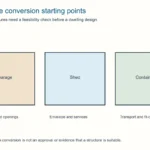
“Granny flat” is a sales term. Ask a planner whether your proposal is a secondary residence, a dual occupancy or another form of residential development under the current Territory Plan. A supplier’s model name won’t answer that question. The distinction matters if your intention includes separate titles, future sale or more than one additional dwelling.
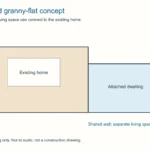
Write down how the building will be used: accommodation for family, a long-term rental, or part of a larger redevelopment. Include the existing dwellings and structures on the block. A proposal that sounds like a small addition in a phone call can require a different assessment once the whole site is drawn.
For background on those choices, compare dual occupancy and granny flat projects. Confirm the applicable classification with the ACT authority rather than importing the NSW definition.
Read the July 2026 rules, not an old checklist
Major Plan Amendment 04 records the changes that commenced on 1 July 2026. Check the current residential-zone, subdivision and dictionary provisions alongside the technical specifications. Keep the version date with your planning advice so later design revisions can be assessed against the same starting point.
The previous version of this guide presented a 500m² minimum and an “exempt or merit track” choice too broadly. Those statements have been withdrawn. We are not substituting a different universal threshold: a planner must identify the current controls and any transitional provisions for your application.
If you’ve already commissioned drawings, ask whether the changes create another viable option. Don’t assume a larger or separately titled proposal has the same approval, servicing or lease requirements as the original brief. Get the comparison in writing before changing the contract.
Prepare the property information for assessment
Use your section and block identifiers, not just a street address. Bring the Crown lease, survey, existing approvals and a sketch showing buildings, trees, access and services. Identify any easements and restrictions before positioning a modular home or reserving a crane date.
| Record | What to ask |
|---|---|
| Zone and district | Which current policies apply to this block? |
| Crown lease | Does the proposal require a lease variation? |
| Building layout | How is floor area measured for this development category? |
| Landscape and access | What must remain clear or permeable, and which trees are affected? |
| Subdivision intention | Is separate ownership permissible, and what additional approvals are needed? |
Ask the adviser to distinguish a confirmed requirement from an unresolved question. “Subject to approval” on a quote is not a property assessment. Resolve the expensive uncertainties before paying a non-refundable manufacturing deposit.
Keep planning, building and lease decisions separate
Planning approval, building approval and Crown lease matters have different jobs. Ask who will coordinate them and which documents are needed before work can start. An exemption from one process does not establish that the whole project is approved.
The ACT’s development-outcomes guidance explains the reports and design responses used for development applications. Your adviser should identify which apply, rather than attach every template or rely on an outdated one.
Queanbeyan, Jerrabomberra and Yass are in NSW. If that is where the land is, use the NSW approval guide instead. Working in Canberra does not put your home under ACT planning law. For wider comparisons, start with the state rules hub.
Frequently Asked Questions
Can I rely on a supplier’s 90m² Canberra plan?
Only as a design proposal. Obtain confirmation of its development category, measured area and compliance on your block before ordering.
Did the July reforms remove all approvals?
No. The reforms changed housing opportunities; the applicable planning, building and lease requirements still need assessment.
Can I rent the finished dwelling?
Confirm lawful occupancy and any approval or lease conditions, then check tenancy, insurance and tax obligations for your intended use.
By The Granny Flat Guide Team. Last updated October 2026. About our research · Project budget calculator
Primary sources
These cards are an editorial summary of official pages. The Granny Flat Guide is not a certifier, council or licensed builder. Check the live official URL before you lodge or sign.
- Your Home (Australian Government)Your Home: Australia's guide to environmentally sustainable homes
- Australian Building Codes BoardNational Construction Code
- NSW Planning PortalState Environmental Planning Policy (Housing) 2021
- Victorian Building AuthorityBuilding Act 1993 / small second dwelling settings
- Queensland PlanningPlanning Act 2016
- WA Planning (DPLH)Planning and Development Act 2005
- PlanSA (South Australia)Planning, Development and Infrastructure Act 2016
- QBCC (Queensland)Queensland Building and Construction Commission licensing
See our editorial standards for how we research and update guides.
Related guides